Anthropology
We do not study people. We work alongside them, in relationship.
Most people picture anthropology as a science that examines other people, their bones, their languages, their rituals, as objects of curiosity or data points in a larger theory. That is not what we do here.
This department starts from a different place. We believe that knowledge is built through relationship, not extraction. We do not arrive somewhere with our clipboards and theories and leave with conclusions. We show up as participants, as guests, as collaborators. The people and communities we engage with are not subjects. They are co-thinkers, teachers, and partners in making sense of the world.
Learn more
What makes this anthropology department different? Learn more about the Anthropology Department at Highline College.
What does relational mean in practice?
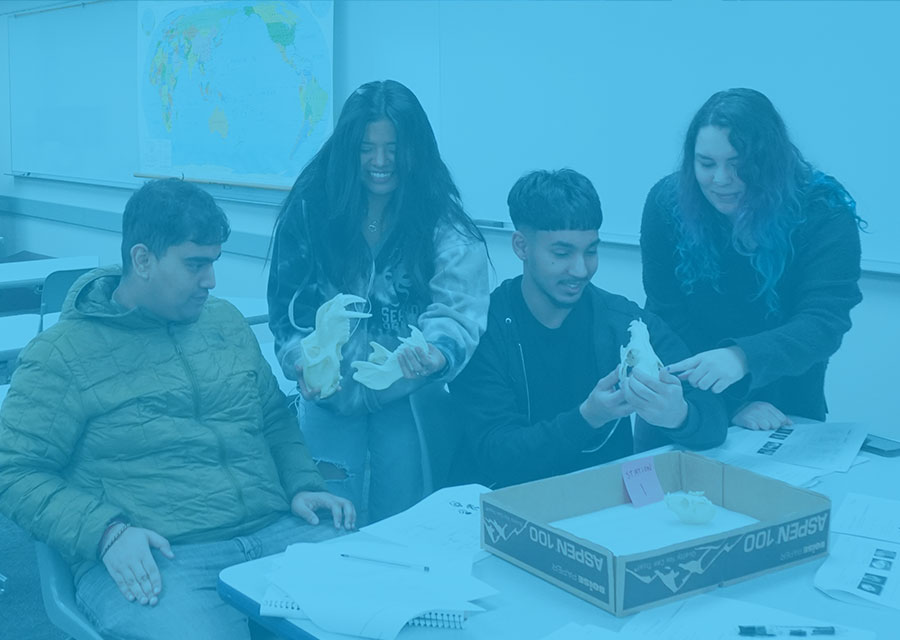
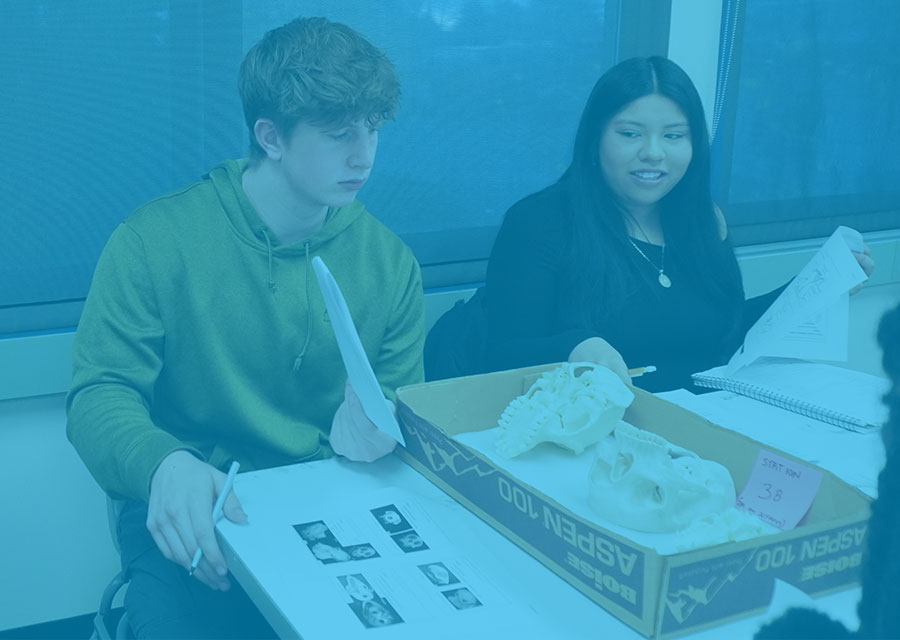
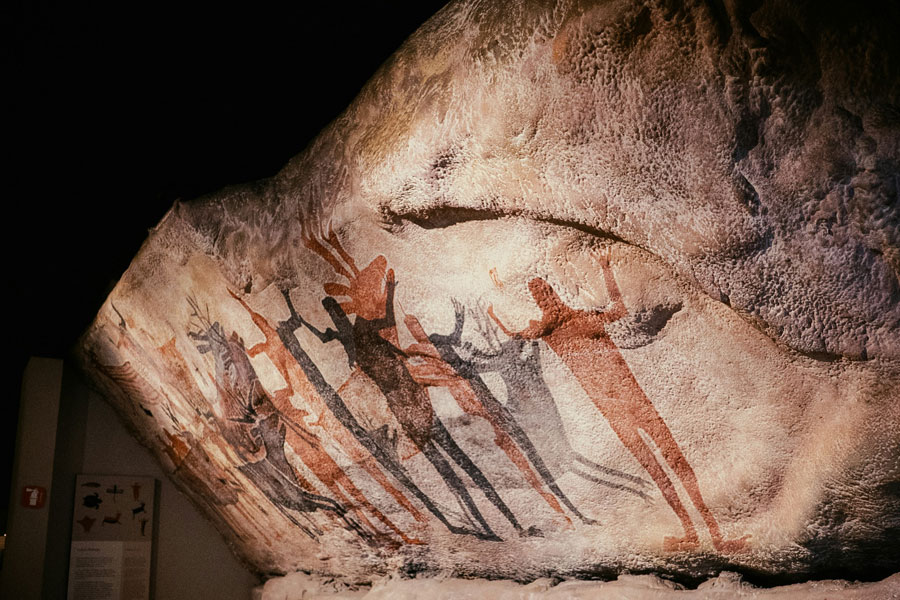
In this department, you will work IN Community, whether that means listening to a person's story, studying how the body adapts to its environment, reading what the land and material culture can tell us about ancestry, or learning how language shapes daily life. You will build skills like observation, listening, and collaborative problem-solving that carry over directly into jobs and everyday life.
Relational anthropology means
-
We ask questions together with the people and communities we work alongside, not just about them.
-
We recognize that our own background and point of view shape what we notice and how we understand it, whether we are learning about bones, material culture, language or daily life.
-
We treat knowledge from lived experience, oral history and community expertise as just as valuable as knowledge from books and research studies.
-
We stay accountable to the people we learn with, sharing what we find and listening to their feedback before calling the work finished, no matter which corner of anthropology we are working in.